
 Local Blooms
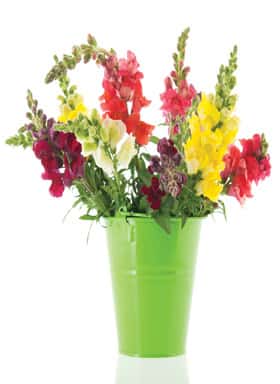
Ordering flowers over the Internet can be a real convenience. But do you know where they’re coming from? Now there’s a way to support local florists while ordering online. BloomNation.com supports local florists nationwide, including some in Napa, Sonoma and Marin counties. The bouquets are uniquely designed, arranged, priced and delivered locally, without a customer service fee. You can even use Bitcoin for your purchase. And all customers receive a photo of the completed arrangement before its same-day delivery, so they know exactly what the recipient will be getting (the photos on the site are all of the artists’ actual arrangements, too).
The company is also seeking more florists to join its network, and doesn’t charge a fee to do so. It’s a win-win for those looking to shop local and support the community, or who want to give their business more exposure—all while sharing the beauty of fresh flowers.
Taxi! (Sorta)
The act of calling a cab is morphing by the minute, with more and more people across the Bay Area embracing alternative means. Three San Francisco-based companies that offer freelance drivers dispatched from a mobile application service (now called “transportation network companies”) include Uber (the largest), Sidecar and Lyft. Uber recently expanded into the North Bay, including Marin, Napa and Sonoma counties, and is the first and only one to do so thus far—but we’re pretty sure the others won’t be far behind.
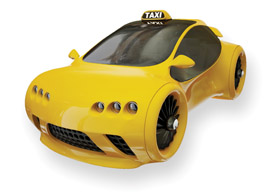 Another company is called Flywheel, a taxi app that lets you request a cab, track its location in real-time and pay automatically with your smartphone. It works specifically with existing cab fleets in an attempt to modernize the industry. Its parent company, RideScout, offers a free mobile app that displays nearby ground transportation options including public, private and social rideshare, so users can search and compare them on demand, in real time. Its options include Sidecar, Silvercar, Muni, BART, Caltrain, Golden Gate Trnasit, AC Tansit, Blue & Gold Fleet, Baylink Ferry, SamTrans, Flywheel, City CarShare, Bay Area Bike Share and Scoot. It also provides walking and driving directions, and its Parking Panda app helps drivers find those ever-elusive places to park.
Getting around is getting a whole lot easier.
Strange But True
Q. Why are so many people these days developing “myopia,” or nearsightedness? There are theories stretching practically as far as the eye can see.
A. Nearsightedness has increased steadily in North America and Europe in recent decades, with one-third of adults in the United States now nearsighted, says Nathan Seppa in Science News magazine. From the early 1970s to the turn of the century, myopia prevalence in the United States rose from 25 percent to nearly 42 percent among those aged 12 to 34, a substantial shift in a single generation. Among young adults, the rate was 28 percent in the 1970s and is now 38 percent. For some reason, such increases haven’t shown up in older generations or in people living in rural areas.
Studies linking myopia to limited time spent outdoors during childhood first surfaced a few years ago, taking many researchers aback: The notion that child’s play might promote normal eye growth seemed almost magical. Still, the evidence is far from clear: Some scientists say the benefit could come from exposure to natural light, or a relaxation of the eye gained from viewing things at a distance, or the visual tableaux that the eye encounters outdoors. Or it could be a mix of all three. Or is it because of a whole generation raised on computers, video games, and excessive “near work” in school? The “maybe” debate goes on.
Source: Bill Sones and Rich Sones, Ph.D.