
Breast cancer was one area of study, not the only one. Memories of the scare lingered, however, and it drew attention to the prevalence of the disease.

A search for answers
Women’s Study, which resulted in groundbreaking research that involved more than 14,000 women and identified several risk factors for breast cancer as well as preventive measures. “Marin County is no longer the ground zero that it was once thought to be,” says Matt Willis, M.D., Marin County public health officer, but the study provided a valuable repository of information.
It began with researchers asking women about to undergo mammograms to participate in the study. Patients at facilities throughout the county filled out questionnaires and provided their life histories, and as they had subsequent mammograms, both for screening and diagnosis, the data accumulated. As a result, researchers were able to examine the information over a span of time, make conclusions about risk and formulate recommendations for prevention. The last patients joined the study in 2010, but it continues to yield useful data. “The descriptive power of that study has increased,” says Willis. “We’re still learning a lot about women who have early cases of breast cancer.”

The study also put people’s minds at rest. “It helped take away some of the fear and mystery around the breast cancer epidemic in Marin County,” says Kelley, pointing out that the population is not that different from the rest of the country, but Marin had a concentration of risk factors. She describes the study as a unique opportunity with a motivated population. “The numbers were scary, and people were frightened and they wanted answers.” Because so many women were involved, their participation contributed significantly to the knowledge about breast cancer and helped find better ways to implement prevention strategies. She reports that the rate of diagnosis has stabilized and has been comparable to similar counties in other parts of the United States since 2008-2010.

Less invasive methods

Surgery is often less invasive as well. Today’s patients are more likely to have lumpectomies rather than mastectomies. Intraoperative digital specimen X-rays use a bioptics machine to provide information within a minute, allowing surgeons to get a clear picture of an area and remove all the cancer, eliminating a waiting period and the possibility of a second surgery. In addition, lymph node operations mean that surgeons remove only a few lymph nodes to see if a cancer has spread, in contrast to the old method, which meant taking out dozens. Elboim learned the technique at University of California, San Francisco (UCSF) in 1999 and reports that it has reduced the incidence of lymphedema from 25 percent to 4 percent. The number of cases of permanent numbness in the upper inner arm and scarring in the armpit have dropped significantly as well. “After sentinel lymph node surgery, virtually all patients get normal range of motion of their arms at the shoulder after only three days,” he says, whereas women who underwent more extensive surgery often needed physical therapy to regain mobility. Elboim also spent time in Paris in 2006, learning techniques in oncoplastic surgery, an approach that preserves a breast’s appearance while removing cancer. “We can offer breast conservation surgery about two-thirds of the time,“ he says. (The national standard is 50 percent.) He also works in partnership with plastic surgeons when a procedure is complicated, so the patient can undergo one operation instead of two. “We coordinate; we plan ahead; we talk together,” he says.
The protocol for radiation treatment has also changed, following studies in Canada and the United Kingdom that determined that a course of radiation shorter than the previously prescribed standard was both safe and effective. Now patients undergo 16 doses of external beam radiation, which is like aiming a flashlight at the affected area, over three weeks instead of 33 treatments over six weeks. It requires more radiation per dose, but is less disruptive to patients’ lives.
An integrated approach
In addition, genetic counseling is available, and a counselor works with patients to decide which genetic tests to perform and determine whether she has inherited a mutation from either parent. Elboim gives actress Angelina Jolie as a high-profile example, explaining that she inherited such a mutation from her mother and opted to undergo prophylactic mastectomies and removal of her tubes and ovaries rather than take the risk of developing cancer. In addition, St. Joseph Health does genomic testing, which looks at the genes of a cancer and gives doctors valuable information on how to treat it. Elboim explains that some types of breast cancer don’t respond to chemotherapy, and the testing has reduced the number of patients receiving it by 50 percent.
Members of the team hold weekly interdisciplinary meetings, where breast surgeons present information on every patient, and all members, including radiologists, pathologists, radiation and medical oncologists, genetic counselors and more participate. “You get the opinion of all these experts,” he says. “We’re proud of our teams. We work well together.”

Looking good
When a woman loses a breast, the fear of disfigurement adds to the stress, and many women opt for implants. Heather Philson, of Penngrove, discovered she had breast cancer and needed a mastectomy at the age of 27. Her surgeon, Khashayar Mohebali, M.D., of Corte Madera, offered her the opportunity to try a new product, and Philson seized the opportunity, participating in a clinical trial for the AeroForm Tissue Expander System. “It just sounded like it was important,” says Philson.
According to Mohebali, breast tissue must be expanded to accommodate an implant after a mastectomy, and traditionally, a patient has saline injections in a doctor’s office over a period of time. AeroForm, however, is a needleless method that releases carbon dioxide, and a patient does it herself. It begins when a plastic surgeon places the tissue-expanding device with a cartridge of compressed gas in the patient during mastectomy surgery. Then, when she has recovered sufficiently, she puts a remote control on her skin and pushes a small button to get connected to the tissue expander and deliver a dose of CO2. It takes about two minutes, and a patient can do it anywhere. Once the tissue has expanded the desired amount, the patient undergoes a short procedure to remove the device and goes ahead to schedule surgery for the placement of implants.
It took Philson several months, and she was able to use the tissue expander in the privacy of her own home, freeing her from making trips to the doctor’s office. She didn’t experience any discomfort. “I was able to play around with the size to make sure I was comfortable,” she says. It also put her in charge when it seemed she’d lost control of everything. “Literally, you have a little remote control in your hand,” she says. “It’s so much better than a doctor injecting in the office.”
Mohebali sees the AeroForm expander, which received approval in December 2016, as a way of giving patients a choice when they have few. In addition to allowing mobility and fewer visits to the doctor’s office, it puts women at ease. “It’s very reassuring for the patient,” he says. “One thing people fear is disfigurement. The reconstruction helps them get through the cancer process. Women have a fear of getting through cancer but not being whole again.”
Someone to lean on
Sutter’s Margie Tygerson, who oversees the WINGS program and provides information to newly diagnosed patients, explains that it consists of trained volunteers who have gone through diagnosis and treatment themselves. She finds that some people don’t feel comfortable talking to family members for fear of making them worry, and speaking to someone who understands their situation is helpful. Volunteers reach out to patients, and once they’ve made contact, they may talk on the phone or meet for coffee. Sometimes it’s a one-time meeting and sometimes the support can last until the patient has finished treatment. Guidelines prevent participants from going to each other’s homes, but the program is designed to meet the individual needs of those who participate in WINGS. “It’s whatever they want it to be,” says Tygerson, adding that some even meet at the treatment center where a patient is having an infusion. “Just having someone to talk to that has been on the same road helps,” she says.
In addition to WINGS, Cancer Support offers a program including 11 different support groups, monthly talks and presentations, a women’s retreat, resources and more. Patients are also offered free services at Sutter’s Institute for Health & Healing, which provides options such as nutrition counseling, acupuncture, massage and chiropractic care. Breast cancer changes a woman’s life profoundly, says Tygerson, so having support at every phase is crucial. Support doesn’t stop with the end of treatment; patients can remain in WINGS as long as needed. While WINGS is available for Sutter patients only, all other Cancer Support Services are available to others in the community. For more information, call Cancer Support Services at (707) 521-7785.

New technology
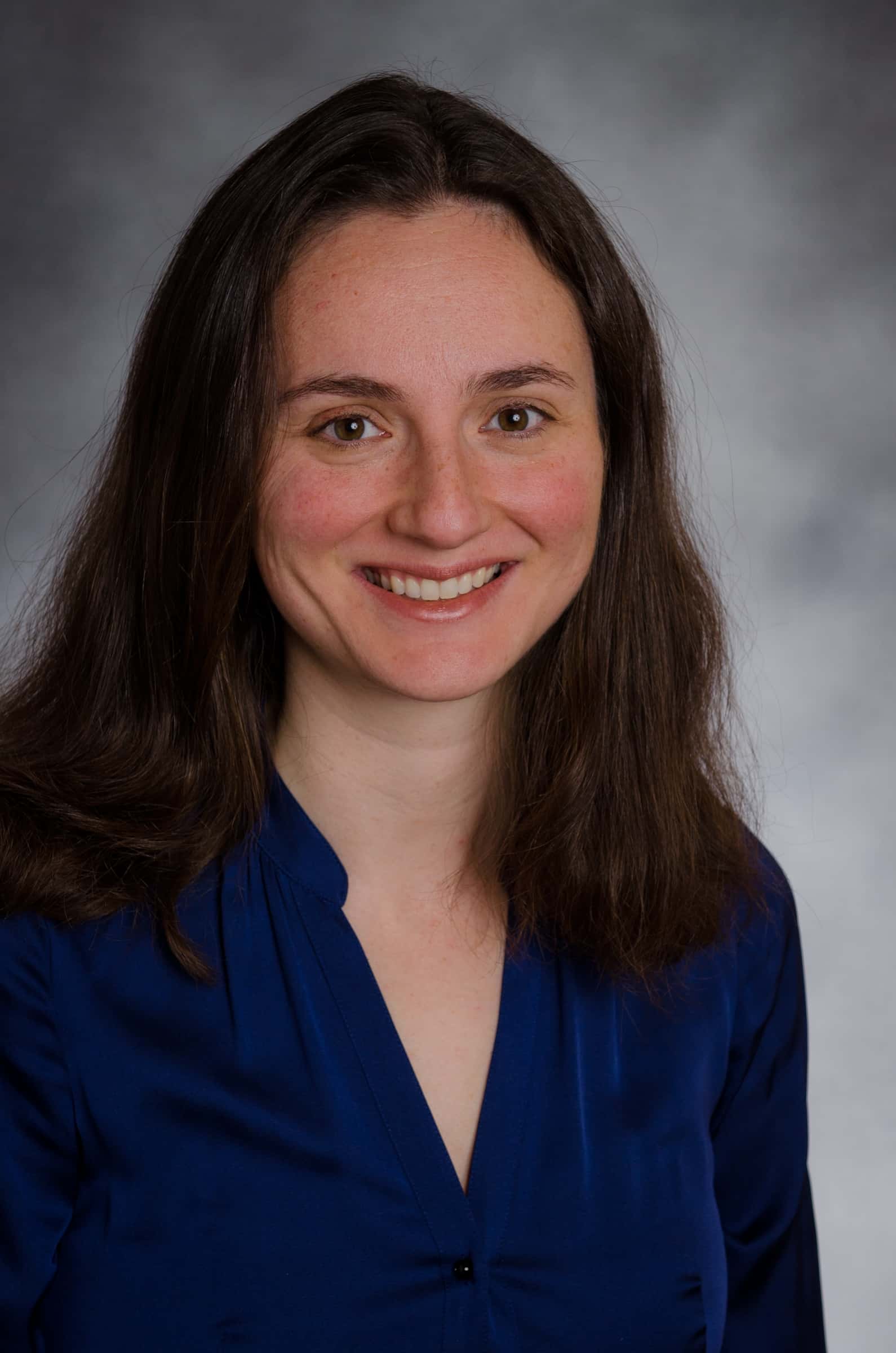
“It allows for greater detail by showing the layers of the breast rather than images straight on, the same way that a CT scan provides over plain X-ray imaging,” he says. “This offers better clarity of image and allows a better diagnosis. Reading the images does take the radiologist longer because there’s more data to evaluate. For patients, the process is the same, however, the new machines are more comfortable.”
Dr. Natalya Lvoff, a radiologist and medical director of the Breast Health Center, explains that the biggest problem in conventional mammography is an overlap of breast structure. “It can mimic breast cancer. Even worse, it can hide a cancer,” she says. With tomosynthesis, “We can see a lot more,” she explains, describing the process as a 3-D tube moving around the patient to get multiple images at different angles. She reports a 40 percent increase in detection of invasive breast cancer with tomosynthesis and a 15 percent reduction in the number of patients who are called back. “This will make a big different for our patients. We’re really excited,” she says.
MGH offers breast MRIs at the Marin Advanced Imaging Center, which is also getting an upgrade, replacing its current 1.5 Tesla MRI equipment with 3 Tesla machines. “3T MRIs yield superior anatomic detail,” says Zielazinski, explaining that the screening tends to be for specific patients with dense breasts.

The future
The advances are promising, but says Willis. “We still have too many women dying of breast cancer.” And although a drop in the rate of cases is good news, he adds that one issue is often lost in the conversation. “We’re detecting cancer that’s already occurred,” he says. “It’s better to do what you can to avoid the development of breast cancer.” Research is ongoing, and as understanding of the disease increases, and people learn more about strategies for prevention, it’s more likely that women—and men—will take action to protect themselves and teach good practices to their children. And that is one of the best hopes for the future.