
There’s a long-held adage that there’s no direct French translation for the American word “winemaker.” The closest French equivalent is “vigneron,” a term that encompasses both the tending of vines and the making of wine—effectively merging what we in America would call the vineyard manager and the winemaker into a single identity. I’ve always found that notion both a little romantic and a little insulting.
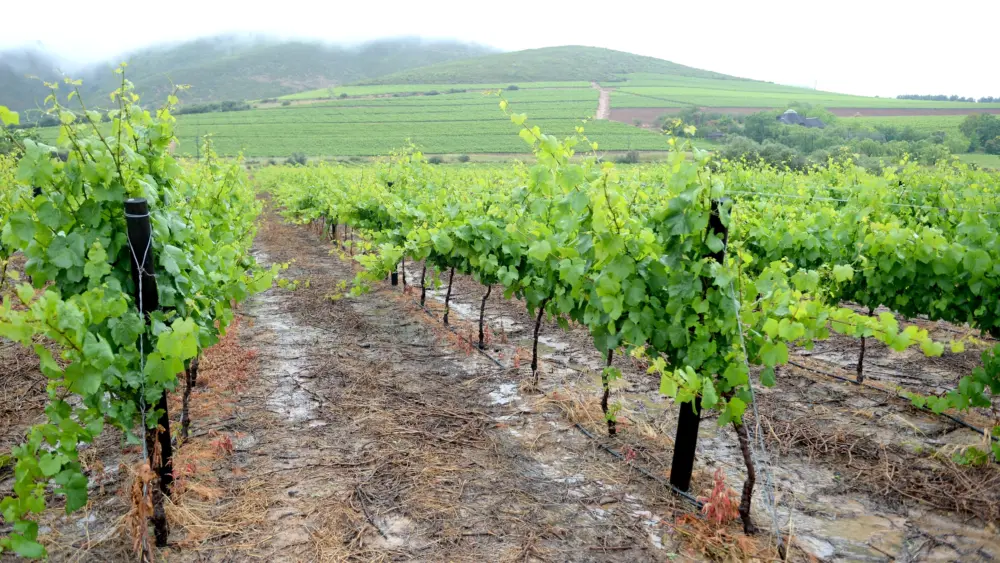
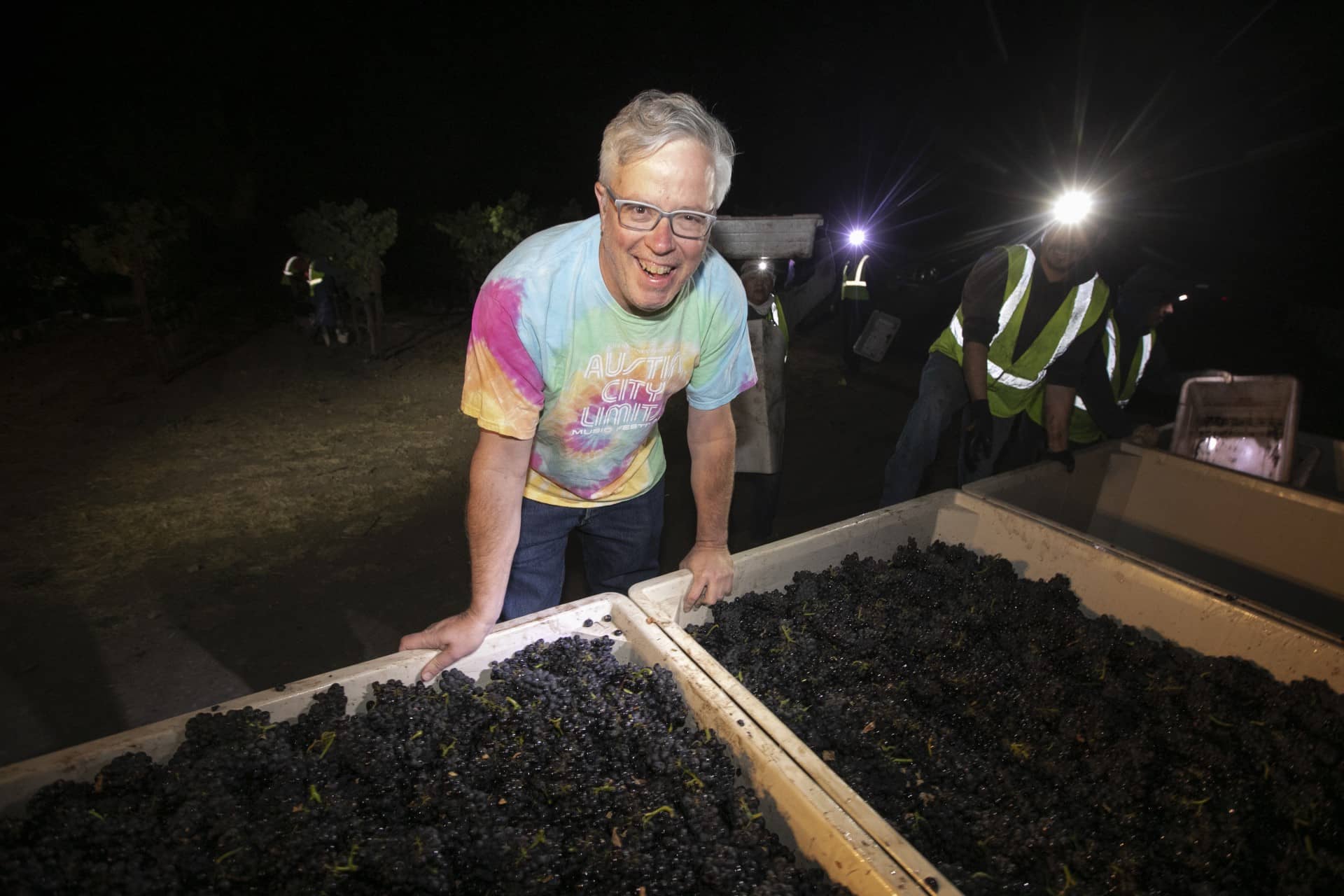
As someone who has never owned vineyard land yet spends a great deal of time among the vines, I take great pride in the farming input I provide. Walking the rows, checking fruit set, tasting berries, watching canopy growth—all of that shapes every winemaking decision I make. Frankly, every minute spent in the vineyard makes my job in the cellar far easier. And I’m hardly alone in this. Many winemakers—particularly those of small to mid-sized operations—straddle both worlds: boots in the dust by morning, hands on a punch-down tool by afternoon.
But lately, I’ve realized that the role of “winemaker” has expanded well beyond vineyard and cellar. Over the course of my three decades making wine, the responsibilities have multiplied in ways few could have imagined. Today, being in both places—vineyard and winery—is only the beginning. Modern winemakers are expected to be publicists, storytellers, salespeople and brand ambassadors, often all at once.
Before the rise of Wine Spectator and Robert Parker’s Wine Advocate, most wine publications were written for the trade. The importer or distributor was the storyteller—they carried the narrative from winery to retailer; the retailer, in turn, passed it to the consumer. Winemakers, by contrast, stayed mostly behind the curtain, occasionally providing general notes on vintage conditions or varietal composition but seldom stepping into the public eye.
Then came the era of consumer-facing wine media. Suddenly, winemakers became the primary sources for journalists seeking authenticity and voice. We weren’t just fermenting juice anymore—we were crafting the story behind it. Press interviews, tastings and photo ops became part of the job description. Whether we liked it or not, we were now our own PR teams.
Social media accelerated that shift. As wineries realized the power of direct connection with drinkers, they needed authentic, consistent content. Enter the winemaker—often reluctant, occasionally camera-shy—now thrust into the spotlight.
Male winemakers, for example, learned to keep at least one decent flannel shirt free of fermentation stains, just in case they had to be photographed. Female winemakers faced an even more absurd double bind: appear too polished and risk being seen as “not hands-on,” or appear too rugged and be deemed “unpresentable.” The industry, despite its progressive self-image, has often struggled with this kind of gendered scrutiny—and that double standard still lingers.
Regardless, the modern winemaker has become an ambassador—a public personality meant to embody the winery’s ethos. The expectation now is not only to make great wine, but to perform the making of it.
And as demanding as the vineyard-cellar balance or social media presence can be, nothing consumes more of a winemaker’s time today than the role of salesperson. The truth is, the wine world has become more crowded, competitive and segmented than ever. Getting your wine noticed now often depends on your willingness to travel—to pour at consumer tastings, host winemaker dinners, meet distributors and shake every possible hand.
Not long ago, a winemaker visit was a rarity—a treat for distributors and customers alike. The idea that the person who actually made the wine would show up in Dallas or Denver to pour it was something special. Today, those visits are constant. The same months that once offered recovery time after harvest—October through December—are now filled with flights, tastings and dinners.
This year, I barely had time to clean the last press pan before I was on a plane. At Dallas Fort Worth Airport, I bumped into Dan Kosta from Convene, both of us blurry-eyed from events. A few days prior, I saw Susie Selby and Patrick Sullivan and many others pouring at the Seaside Wine Festival. The new normal is clear: the winemaker is the sales team.
All of this has quietly reshaped what it means to be a winemaker. There was a time when being described as “geeky,” “meticulous” or “data-driven” was a compliment. A deep love for fermentation kinetics and oak integration once defined the craft. But today, those traits—while still vital—aren’t enough. The modern winemaker must also be a performer, capable of captivating a dinner crowd or charming a journalist.
If Taylor Swift’s “Life of a Showgirl” were rewritten for our world, it might be called “Life of a Winemaker.” The show must go on—in tasting rooms, restaurants and social media feeds. When winery owners interview potential winemakers now, they’re often weighing charisma as heavily as chemistry skills. Can they speak in soundbites? Pose naturally for photos? Post something witty between rackings? Those questions matter.
Whether these expanding roles ultimately help or harm wine quality remains to be seen. The best winemakers have always balanced artistry with science—now they must balance both with marketing.
But I can see the next evolution coming. The same way full-time winemakers are now asked to sell and socialize, consulting winemakers—those who lend their expertise or reputation to multiple projects—will soon face similar demands. It won’t be enough to provide blending advice or elevate scores through association. The next generation of Michel Rollands and David Abreus will be distinguished not only by their palates, but by their ability to sell—by their willingness to hit the road, host dinners and turn consulting into performance.
Perhaps that’s the real modern definition of “winemaker”: part scientist, part artist, part farmer and, increasingly, part showman. The vignerons of old may not have a direct word for that—but if they saw what the job has become, they might just invent one.