U.S. House Republicans have reintroduced a quasi-version of the 2018 Farm Bill, prompting a mixed reaction from California and North Bay agriculture and food relief stakeholders as well as lawmakers expected to vote on it within the next few weeks.
H.R. 7567 is heralded by farmers and their groups but criticized by food assistance organizations. There lies the quandary for a bill dubbed less than ideal by some.
The 93-year-old Farm Bill encompasses American agricultural policy spun out of the Great Depression, setting crop prices and providing subsidies to farmers, among other policy-driven agriculture and food programs.
Intended to be renewed every five years, the Farm Bill has long been championed as a massive, bipartisan legislative package. But a deeply divided Congress extended the eight -year-old version several times.
The $1.3 trillion Farm, Food and National Security Act of 2026 covers funding and policy law ranging from commodities and conservation to crop insurance and research.

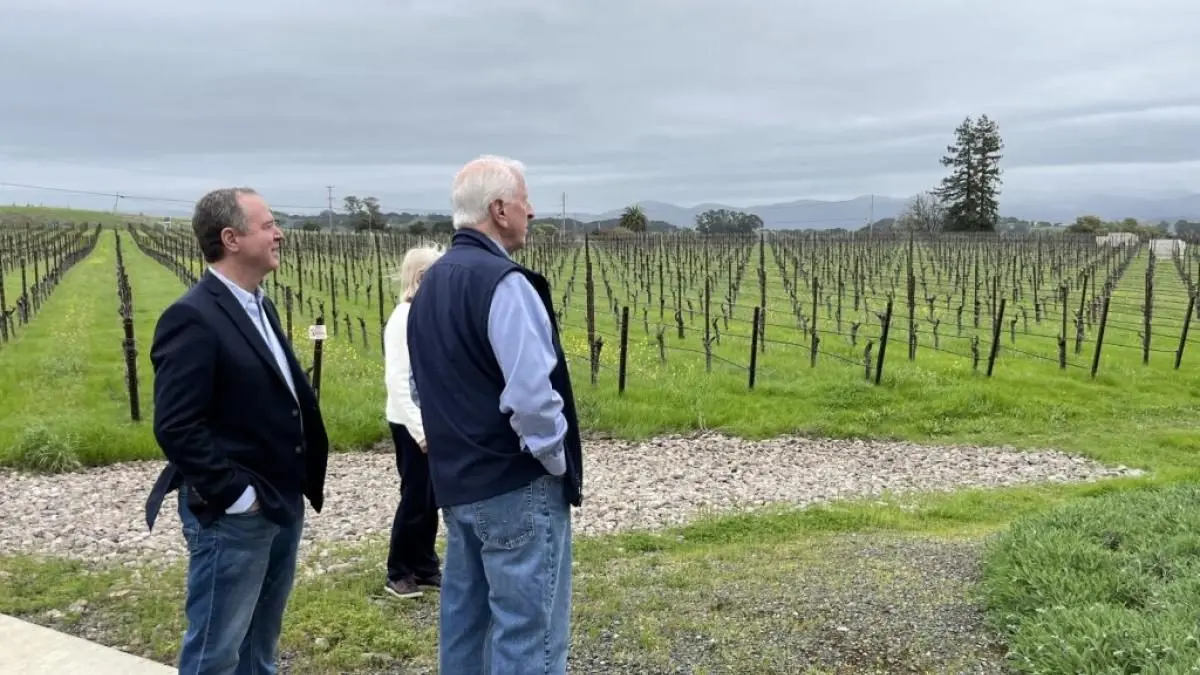
U.S. Rep. Mike Thompson, D-St. Helena, noted the extensive list of topics represents “all the stuff that remains,” referring to leftover government funding programs from the federal budget — as suggested by the initial draft proposal’s name: Continuing Appropriations, Agriculture, Legislative Branch, Military Construction and Veterans Affairs, and Extensions Act, 2026.
But even given its Christmas tree wish list, some critical programs that address food insecurity affecting 1 in 7 people in the United States have fallen off this version.
“We’re concerned about where we’ve gone in regard to [the farm bill] always being a bipartisan piece of legislation and how we’ve been able to include different parts of agriculture,” Thompson said. “Now, we’ve taken farming practices and food insecurity and divorced the two.”
Despite expressing encouragement about the new Farm Bill and support for aspects related to wine grape research, Thompson pointed to $200 billion in critical food security programs dropping off the primarily ag policy proposal.
“All the food security programs are in jeopardy because of cuts, and it’s hard to put them back,” he added.
Debate among the Republican majority in the U.S. House Agriculture Committee has re-prioritized whether programs that address hunger should be included in the next Farm Bill. But critics who support food assistance programs lament the big cut in H.R. 1 — labeled the One Big Beautiful Bill — to the $186 billion Supplemental Nutrition Assistance Program (SNAP), known as CalFresh in California.
The California Association of Food Banks claims the losses sustained from reduced SNAP funding puts over 500,000 recipients statewide “at risk of losing the critical food assistance they receive.”
In Sonoma County alone, nearly 36,000 people — amounting to 7% of the population — were receiving federal food assistance at a cost of $9.4 million.
The Redwood Empire Food Bank, joining its umbrella organization, also shared its disappointment in the draft proposal.
“We’re deeply concerned about the proposal that separates farming programs from nutrition programs,” food bank spokeswoman Rachelle Mesheau said.
In the last year, food banks have already faced a variety of cuts — temporary or otherwise — including $500 million in deliveries halted nationwide. Reduced funding has also hit the Local Food Purchasing Assistance program as well as the Emergency Food Assistance Program.
“We’re urging a ‘no’ vote,” Mesheau said of the proposal seen as not going far enough to couple food assistance with farming practices.
The House Agriculture Committee advanced the 2024 version of the proposal, but it was never scheduled for a vote. Introduced by House Agriculture Committee Chairman Glenn “GT” Thompson, R-Pa., the bill passed out of that committee March 5, receiving glowing support from local farm groups and the California Farm Bureau.
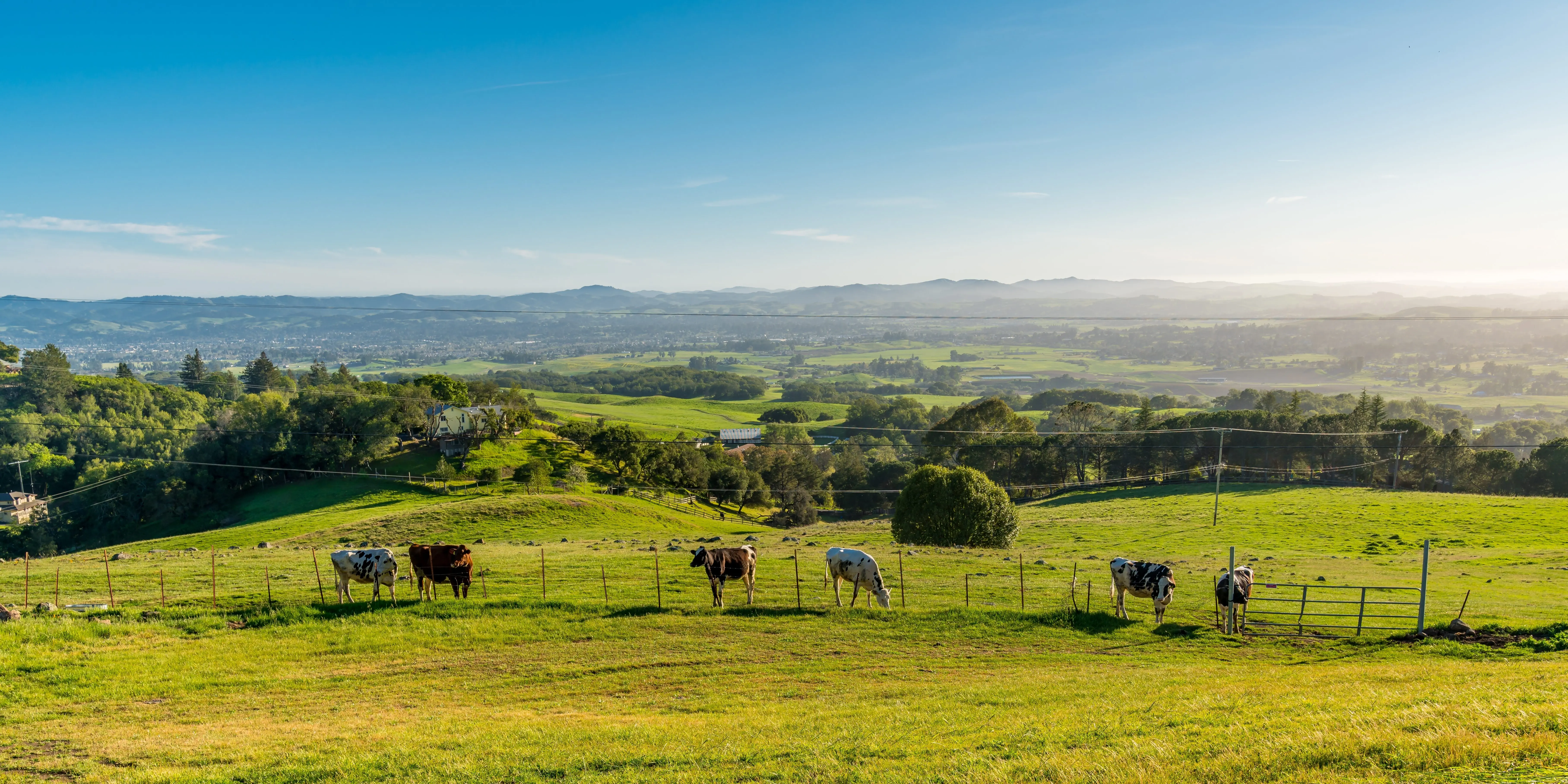
“The biggest thing farmers need is the Farm Bill. The fact that it’s taken so long is disappointing,” said Jennifer Beretta, a fourth-generation dairy farmer who’s the president of the Sonoma County Farm Bureau.


Beretta would like to see the proposal pass since, for one, it will update price standards farmers receive for their crops at a time when costs for everything in life and disasters relative to animal health have risen dramatically.
“We can’t just go to Clover and say we need more money,” said Beretta, who sells the Santa Rosa farm’s milk to Clover Sonoma. “We’ve had to deal with fuel surcharges, and California always tends to be higher in fuel prices.”
And with multi-year drought seasons like what the region experienced in 2022, the problem becomes two-fold as North Bay farmers scramble to find feed as far away as Idaho. During these periods, Marin County farms, in particular, have even been forced to truck water in when local reservoir sources dry up.
California Farm Bureau President Shannon Douglass lauded the proposal for updating risk management programs and adding new funding for rural development and market access initiatives.
And at a time when segments among the over 70,000 farms and ranches in the state are facing challenges in its $51 billion ag industry, the proposal expands research and mechanization efforts, along with improvements in forestry and wildfire mitigation programs.
“Although more work remains, we are hopeful lawmakers will continue to push this critical legislation forward in order to deliver a much-needed win for farmers and ranchers across the country,” Douglass said.