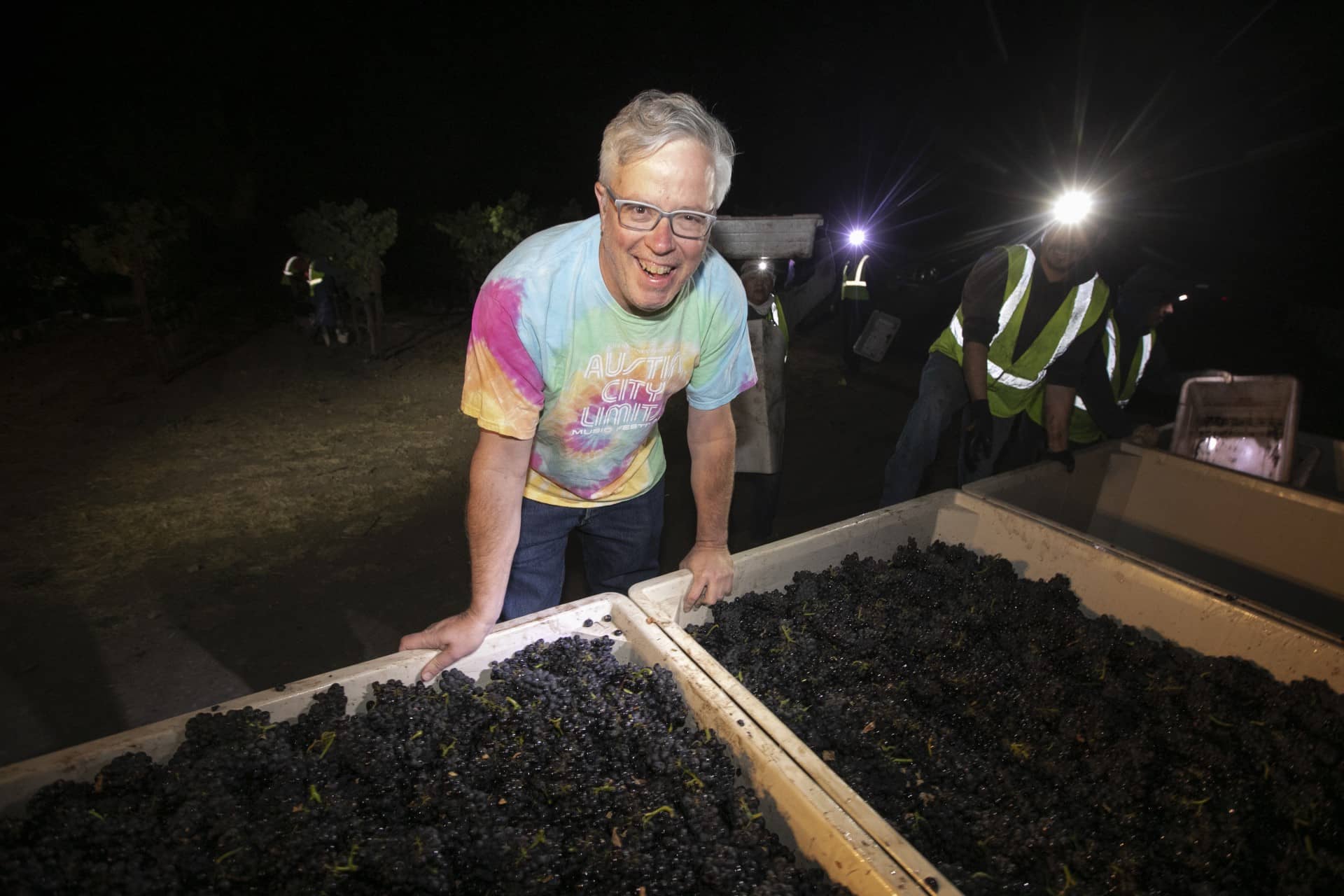
The tradition of making New Year’s resolutions didn’t begin with gym memberships, dry January or ambitious plans to finally organize the garage. It began with farming. Around 2000 B.C., the Babylonians marked the start of their agricultural year by making resolutions—practical ones. They promised to return borrowed tools, repay debts and generally set their affairs in order before planting season began.
There’s something beautifully grounded about that. Farming forces accountability. If you don’t make good on your promises, the next season has a way of reminding you—sometimes harshly.
Those ancient resolutions wouldn’t be a bad place for the modern wine community to start. Paying debts and returning borrowed equipment would solve more than a few headaches. And far be it from me to question the Babylonians—after all, I did quite well naming a winery after Siduri, the Babylonian goddess of wine—but as we head into a new year, I’d like to suggest a slightly different set of resolutions. Ones that speak not just to survival, but to relevance, growth and the long-term health of wine itself.
1) Resolve to treat tastings as marketing opportunities, not revenue generators.
This may be the hardest resolution for many wineries to swallow, especially in a climate where margins are thin and costs feel relentless. But the math is unavoidable: The wine world needs more customers. Our most loyal buyers are aging out of their prime purchasing years, and we have not done a particularly good job of replacing them.
Tastings that are prohibitively expensive—especially for younger consumers—don’t just limit access; they send a message. That message often reads: This isn’t for you. Once that impression is formed, it’s incredibly difficult to undo.
A tasting should be the beginning of a relationship, not a transactional endpoint. If someone walks away feeling welcomed, educated and excited, they’ll come back—and they’ll bring friends. If they walk away feeling nickeled-and-dimed, they probably won’t.
2) Resolve to market your positives instead of other wineries’ negatives.
It’s tempting to define yourself in opposition to others. “We do A, while everyone else does B.” It’s simple, it’s clear, and it often feels effective in the short term.
But it’s also lazy—and potentially damaging. When you frame your story around what others are doing wrong, you risk alienating consumers who may enjoy those wines while still being curious about yours. Wine doesn’t need more lines in the sand.
Instead, talk about why you do what you do. Your farming choices. Your cellar philosophy. Your sense of place. Enthusiasm is contagious. Negativity, less so. Let people come to your wines because they’re inspired—not because they feel they have to choose sides.
3) Ban the phrase “flyover states” from your vocabulary.
If the goal is to find new customers, then new markets matter. That means stepping outside of what feels safe, familiar or fashionable.
Yes, New York, San Francisco and Los Angeles are important. But so are places like Little Rock, Des Moines, Omaha and Tulsa. These cities are filled with curious, loyal wine drinkers who are eager to engage—and who are often grateful that someone bothered to show up.
If something isn’t working, doing more of the same rarely fixes it. Growth requires discomfort. It requires travel. It requires saying yes to markets that don’t come with prestige—but often come with real opportunity.
4) Collaborate more—and compete less.
One of the most effective ways to reach new consumers is also one of the simplest: work together. Joint tastings, shared dinners, collaborative events—these don’t just spread costs, they multiply impact.
Consumers are far more likely to attend events featuring multiple wineries, and even more likely to invite friends. Collaboration creates energy. It creates community. And when it comes to events, one plus one often equals three.
Wine has always been a communal product. We should act like it.
5) Rediscover what made you fall in love with wine in the first place.
This may be the most important resolution of all. These days wine can feel heavy. Inventory levels, cash flow projections, P&L statements, compliance, shipping rates—it’s easy to get lost in all of these things.
But very few people got into wine because they loved spreadsheets.
Take a moment. Open a bottle. Think about the first wine that stopped you in your tracks. The vineyard visit that changed everything. The mentor who lit the spark. Those stories matter—because they’re the same stories that resonate with consumers.
If you feel that excitement again, you’ll share it naturally. And when you do, people notice. They don’t just taste the wine—they feel the passion behind it.
That, more than any resolution, is what will carry wine forward into the new year.