

Yes, I said it. And I suspect that statement will raise more than a few eyebrows among my friends and colleagues in Oregon.
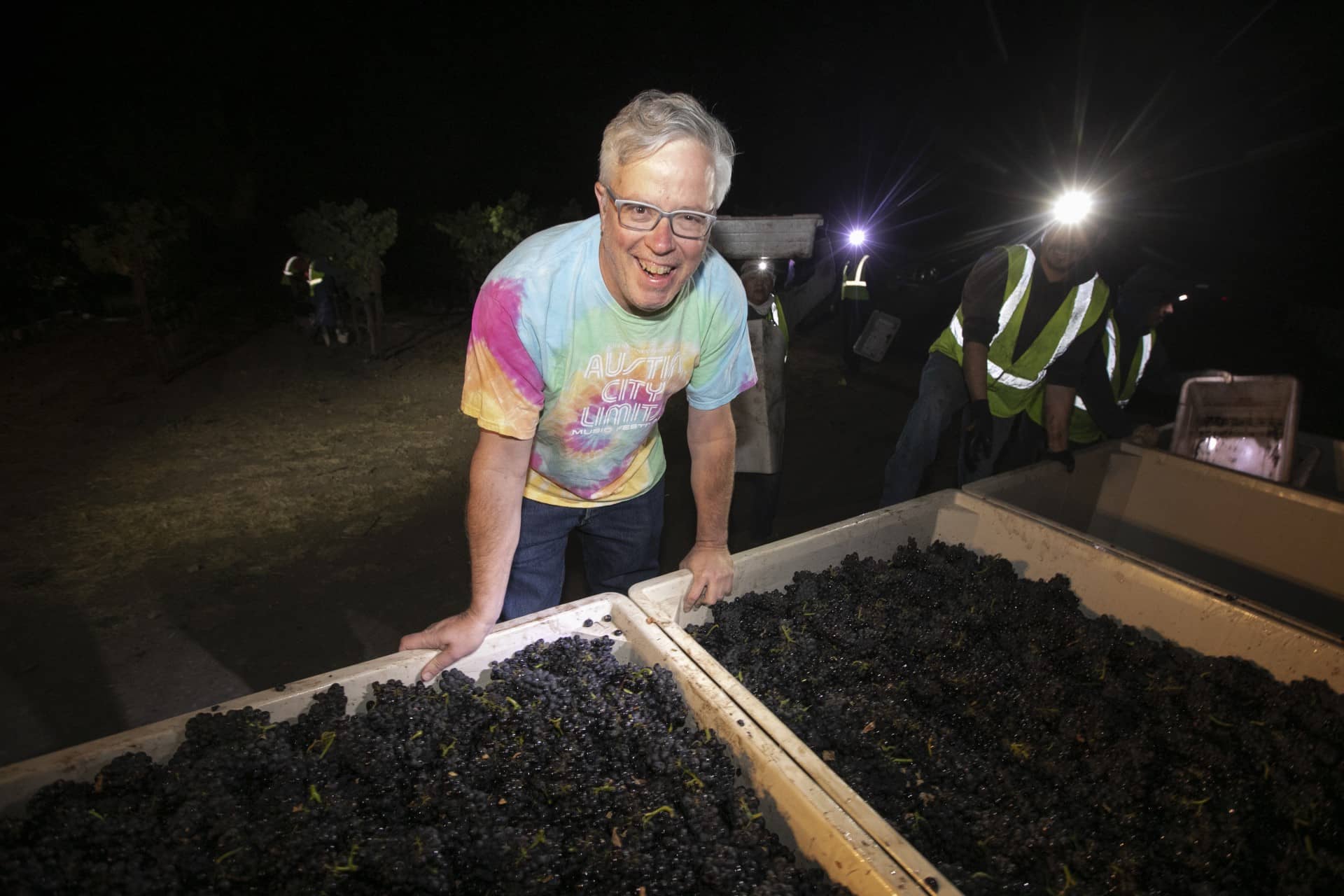
Before anyone assumes this is coming from a Californian partisan, it’s worth noting that I made wine in the Willamette Valley for 25 years. I’ve brought Willamette Valley Pinot Noirs to countless tastings with my Clarice Members, organized trips to Oregon wine country, and I continue to drink — and admire — a tremendous number of wines from the region. The Willamette Valley has long been one of the great homes for Pinot Noir in the United States.
But there’s also no denying that the Valley is changing.
When I first began making wine there in 1995, every other vintage seemed like a test of patience and perseverance. A year like 1994 would seduce us with beautifully ripe fruit, only to be followed by multiple vintages where getting Pinot Noir to 12% potential alcohol felt like a minor miracle. Vineyard managers thinned aggressively. Winemakers waited anxiously. And more often than not, we relied on a bit of luck to achieve physiological ripeness before autumn rain arrived.
Those growing conditions drove significant changes in the vineyard. Growers widely planted Dijon clones and began using Riparia Gloire rootstock — both intended to help grapes accumulate sugar more quickly in a marginal climate. The goal was simple: achieving ripeness consistently in a region where ripeness was anything but guaranteed.
Fast forward to the present, and the shift is unmistakable.
In both 2023 and 2025, many Willamette Valley producers began harvesting Pinot Noir before their counterparts in California. In 2023, some Oregon wineries were finishing harvest while coastal California producers were just getting started. Riparia Gloire has largely fallen out of favor, and while Dijon clones still play an important role in new plantings, there’s been a noticeable resurgence in heritage material — Pommard, Wadenswil and even historic Coury selections of Pinot Noir — precisely because they ripen later and better align with today’s warmer conditions.
Even the language used to describe Oregon vintages is evolving. Vintage summaries now reference “warm, arid summers” or seasons that “turned hot and dry” — phrases that would have seemed foreign to Willamette Valley growers thirty years ago.
Part of this shift stems from geography. Despite being located in a coastal state, Willamette Valley’s climate is more continental than maritime. True marine influence primarily enters through the Van Duzer Corridor; much of the valley lies beyond the direct moderation reach of the Pacific Ocean. Combine that relative continentality with longer summer daylight hours than California receives, and the modern Willamette growing season is no longer the reliably cool environment it once was.
Meanwhile, California — particularly its coastal Pinot Noir regions — has experienced a different trajectory.
For years, a debate simmered among viticulturists and wine writers about how climate change would reshape American Pinot Noir. One camp predicted that warming temperatures would force California producers northward in search of cooler climates. Another suggested that California’s proximity to the Pacific Ocean would provide a buffer against rising temperatures, especially in regions directly exposed to coastal winds and fog.
At least for now, the Pacific appears to be winning that argument.
While inland areas of California have undoubtedly warmed, the vineyards closest to the ocean — places like the western edges of Anderson Valley, the Sonoma Coast, west-facing slopes of the Santa Cruz Mountains, the Santa Lucia Highlands, coastal San Luis Obispo County and the Sta. Rita Hills — continue to benefit from persistent marine influence. These regions are shaped by cold ocean currents, afternoon winds, and morning fog patterns that moderate daytime temperatures and preserve acidity even as the broader climate warms.
I’ve seen this firsthand in vineyards like Garys’ and Rosella’s in the Santa Lucia Highlands, sites where ocean-driven wind patterns extend hang time without necessarily driving sugars skyward. Instead of racing toward harvest to avoid dehydration or heat spikes, growers are increasingly able to allow fruit to remain on the vine longer, developing phenolic maturity and flavor complexity at moderate potential alcohol levels.
In vintages like 2018, 2023, and even 2025, California’s coastal Pinot Noir regions have delivered seasons characterized by steady, moderate temperatures and later harvest dates. Extended growing seasons are no longer synonymous with excessive ripeness; rather, they’re allowing for the development of deeper flavor profiles alongside naturally retained acidity.
This has important implications for both producers and consumers.
Historically, California Pinot Noir was often associated with generous fruit and higher alcohol, while Oregon’s reputation rested on elegance and restraint. But as climate patterns shift, those distinctions are becoming less rigid. Coastal California Pinot Noir can now offer wines that marry expressive fruit with balanced, moderate alcohol levels, vibrant acidity and structural precision achieved through longer, more even ripening curves.
In other words, California’s best coastal sites are increasingly capable of producing Pinot Noir that is both flavorful and fresh not in spite of climate change, but in complex interaction with it.
None of this diminishes Willamette Valley’s importance or the quality of the wines it continues to produce. But it does suggest that the future landscape of American Pinot Noir may look different than we once imagined. The regions most directly influenced by the Pacific Ocean appear uniquely positioned to navigate a warming world.
And for now, at least, that makes the future of coastal California Pinot Noir look not just bright but surprisingly cool.