
Top Dog

According to the American Kennel Club’s latest rankings, Laborador retrievers remain America’s most popular dog. The breed has held the top spot for the last 24 years and broke the poodle’s decades-old record in 2013. Bulldogs moved up the most, to land at number four (while its smaller, less jowly cousin, the French bulldog, surged from 49th to ninth in the last decade). For those considering a new four-legged friend, here’s the AKC Top Ten:
1. Laborador retriever
2. German shepherd
3. Golden retriever
4. Bulldog
5. Beagle
6. Yorkshire terrier
7. Poodle
8. Boxer
9. French bulldog
10. Rottweiler
Tip Tech
 In the United States, about 31 service professions include (actually, depend on) tips as part of their wages—and tipping is a $40 billion part of the annual economy. So how will that change as apps like Apple Pay and Google Wallet transform the way customers make payments?
A 2013 study called “Default Tips” equipped taxis with digital payment screens that variously recommended one of two different tipping calculations. For the most part, riders in cabs suggesting the higher rate accepted and paid more—though some balked and left nothing. Today, companies like Square, OpenTable and Starbucks have added tip options to their payscreens with much success.
But what about service workers in smaller or independent businesses? Enter ZipTip, TipEasy and Tap2Tip (available in the Google Play store), which aim to get gratuities directly into the hands of workers as quickly as possible. But will the personal nature of tipping—the direct expression of gratitude for a job well done—get lost in digital translation? Maybe.
Electronic tipping (attached to the actual bill) could also make it more difficult for employees to track and hold onto their tips—and it’s assured that electronic tips will be counted to the penny when it comes time to ante up with Uncle Sam. So why not keep it Old School and slip them some cash?
Sources: www.yahoo.com/tech; www.netsuiteblogs.com
Driving Workplace Diversity
In a 2014 Deloitte report covering key HR trends, workplace diversity/inclusion was consistently ranked as one of the least important issues on leaders’ minds. The findings sparked a response from both inside and outside corporate walls, and the resulting actions have inspired five trends that are reframing diversity efforts.
More CEOs are speaking out. Many corporate websites now include a diversity statement from the top office, recognizing the importance of a nonhomogenous work environment and encouraging more direct action. There’s a reason that in top companies, CEOs are prioritizing and spearheading diversity dialog and that, in not-so-great workplaces, CEOs aren’t saying a word.
Semantics aren’t subtle anymore. Employers are increasingly linking diversity roles with innovation through newly created positions such as manager of diversity and innovation, or director of next generation recruitment, diversity and innovation. Framing diversity in terms of its inventiveness, imagination and competitiveness is a smart practice for reenlisting employees in organizational change.
Diversity’s definition has changed. In addition to creating a workplace inclusive of race, gender and sexual orientation (to name a few), many organizations are seeking value in diversity of thought. In industries known for insular thinking (law firms or high-tech companies, for example), finding talent with different ways of thinking or problem-solving backgrounds can be critical.
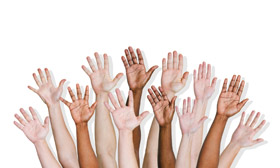 External pressure is increasing. Basic economic theory suggests consumers will react to a company’s lack of diversity by spending their money elsewhere. Likewise, employees will increasingly balance the costs of a job against the personal benefits they derive from that employment. Gains in employee engagement, effort and retention alone make for a compelling diversity proposition.
Technology will make it easier. The average large company has more than 10 different HR applications (including diversity data), but several startups are building new “diversity technology” that can drive more precise and actionable change. Check out Gap Jumpers and Unitive as examples.
Source: Forbes.com